
Listing remarks
- The National Housing Act requires an FHA borrower on a 1- to 4-family dwelling to occupy it, with a minimum cash investment of 3.5 percent.
- Fannie Mae’s automated underwriting generally requires six months of reserves for a two- to four-unit principal residence.
- The Fair Housing Act exempts some owner-occupied buildings of up to four units, but never its ban on discriminatory advertising.
House hacking is a nickname for an old idea: buy a small multi-unit building, live in one unit and rent the others. The tenants’ rent helps pay the mortgage, and you learn to be a landlord with the building right outside your door. It is popular with first-time investors because loans for a home you live in are usually easier to get than loans for a pure investment. It also has trade-offs that are easy to underestimate.
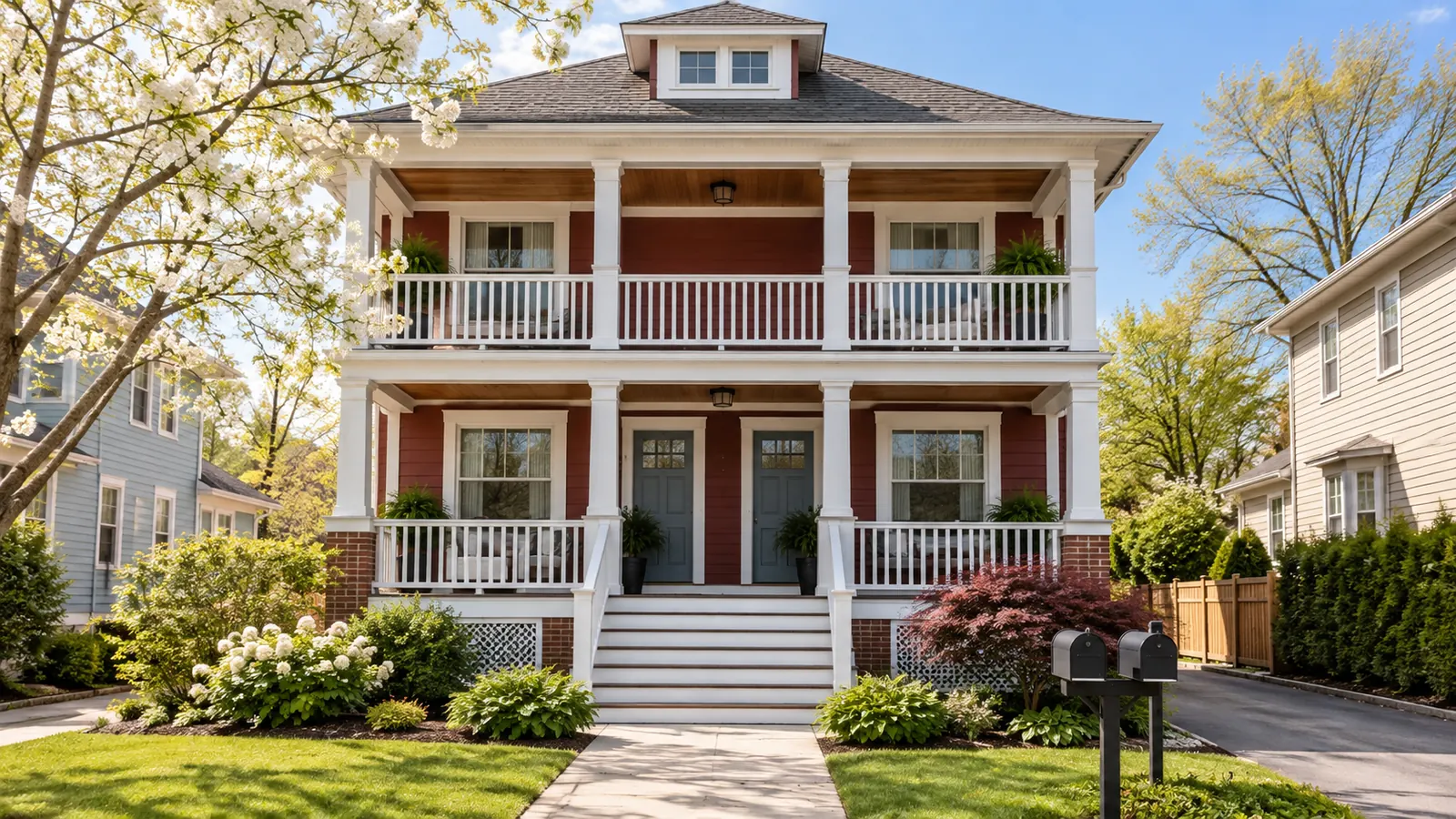
Why owner occupancy matters to lenders
Federal law allows the FHA to insure a mortgage on a 1- to 4-family dwelling only if the borrower will occupy it as a principal residence (or, in limited cases, a secondary residence). The minimum cash investment set in the National Housing Act is 3.5 percent of the appraised value. HUD sets maximum loan amounts by area and by the number of units.
Conventional loans also treat a building you live in as a principal residence, even if it has four units. Fannie Mae’s Selling Guide counts the unit the borrower occupies in a two- to four-unit property as the principal residence. There is a catch, though: its automated underwriting generally requires six months of reserves for a two- to four-unit principal residence, while a one-unit home has no minimum reserve requirement.
Will the rent help you qualify?
Not automatically. Fannie Mae says rental income from a borrower’s principal residence, including the unit they occupy in a two- to four-unit property, generally cannot be used to qualify, though it lists exceptions. For rent from other units, positive rental income can be used only if the borrower has at least 12 months of property management experience; otherwise it can only offset the property’s own payment. FHA has its own rules for counting rent. Ask the lender exactly how they will treat the other units before you make an offer.
Pros and cons at a glance
| Advantages | Drawbacks |
|---|---|
| Owner-occupied financing, often with a smaller down payment | You live next to your tenants and hear about every problem |
| Rent from other units offsets your housing cost | Less privacy and shared yards, laundry or parking |
| You see maintenance issues early | Vacancies hit your own budget directly |
| A low-risk way to learn landlording | Selling later may mean selling to another owner-occupant or investor |
Taxes: part home, part rental
When you live in one unit and rent others, the IRS treats the building as partly personal and partly rental. Expenses that apply to the whole building, such as property tax, insurance and mortgage interest, are divided between the two uses. Publication 527 explains dividing expenses by a reasonable method, such as floor area. Its example: a 180-square-foot rented room in an 1,800-square-foot house is 10 percent of the space, so 10 percent of shared expenses are rental expenses.
Only the rental part of the building can be depreciated. Expenses that apply only to the rented units, such as painting a tenant’s unit, are fully rental expenses. Keep receipts sorted from the start. More in Rental Property Taxes: Income, Deductions, Depreciation and Losses.
Fair housing: a narrower exemption than people think
The federal Fair Housing Act does exempt rooms or units in a building with living quarters for no more than four families, if the owner actually lives in one of them. But the exemption does not cover the act’s ban on discriminatory advertising: no notice or ad may indicate a preference based on race, color, religion, sex, handicap, familial status or national origin. Many state and local laws apply to owner-occupied buildings anyway. Treat every applicant by the same written standards. See Landlord Rules Every New Investor Should Know: Fair Housing and Lead Paint.
Tip: Before buying, check how the units are metered. Separate electric and heat meters make it simpler to split costs and reduce disputes.
What to check in a small multi-unit building
- Is it legally a two-, three- or four-unit building under local zoning, or was a unit added without permits?
- Are current leases, rents and deposits documented?
- How old are the roof, boilers or furnaces and water heaters, and how many are there?
- If built before 1978, has lead paint been tested or disclosed?
- Will you be comfortable living in the unit you would occupy?
When you move out
Many house hackers eventually move and keep the building as a full rental. At that point the unit you lived in becomes rental property too. Your existing loan terms do not change, but your next loan will be judged with this building counted as a financed property, and your tax return will show the whole building as rental from the date it is placed in service as such.
The bottom line
House hacking can lower the cost of entry and teach you landlording on a small scale. Go in knowing the reserve and income rules, keep careful records for the split between home and rental, and follow fair housing law even where an exemption might apply. Compare it with buying a pure rental in Buying Your First Rental Property: From Search to First Tenant.