
Listing remarks
- For most housing built before 1978, landlords must give tenants EPA’s lead pamphlet and disclose known lead-based paint before the lease is signed.
- The IRS says you begin to depreciate a rental property when you place it in service, that is, when it is ready and available for rent.
- Federal fair housing law applies to rental advertising even where an owner is otherwise exempt.
Buying a rental is a lot like buying a home, with three differences: the numbers have to work without your emotions, the building has to suit tenants rather than you, and from closing day onward you are running a small business. Here is a sequence that keeps those differences in view.
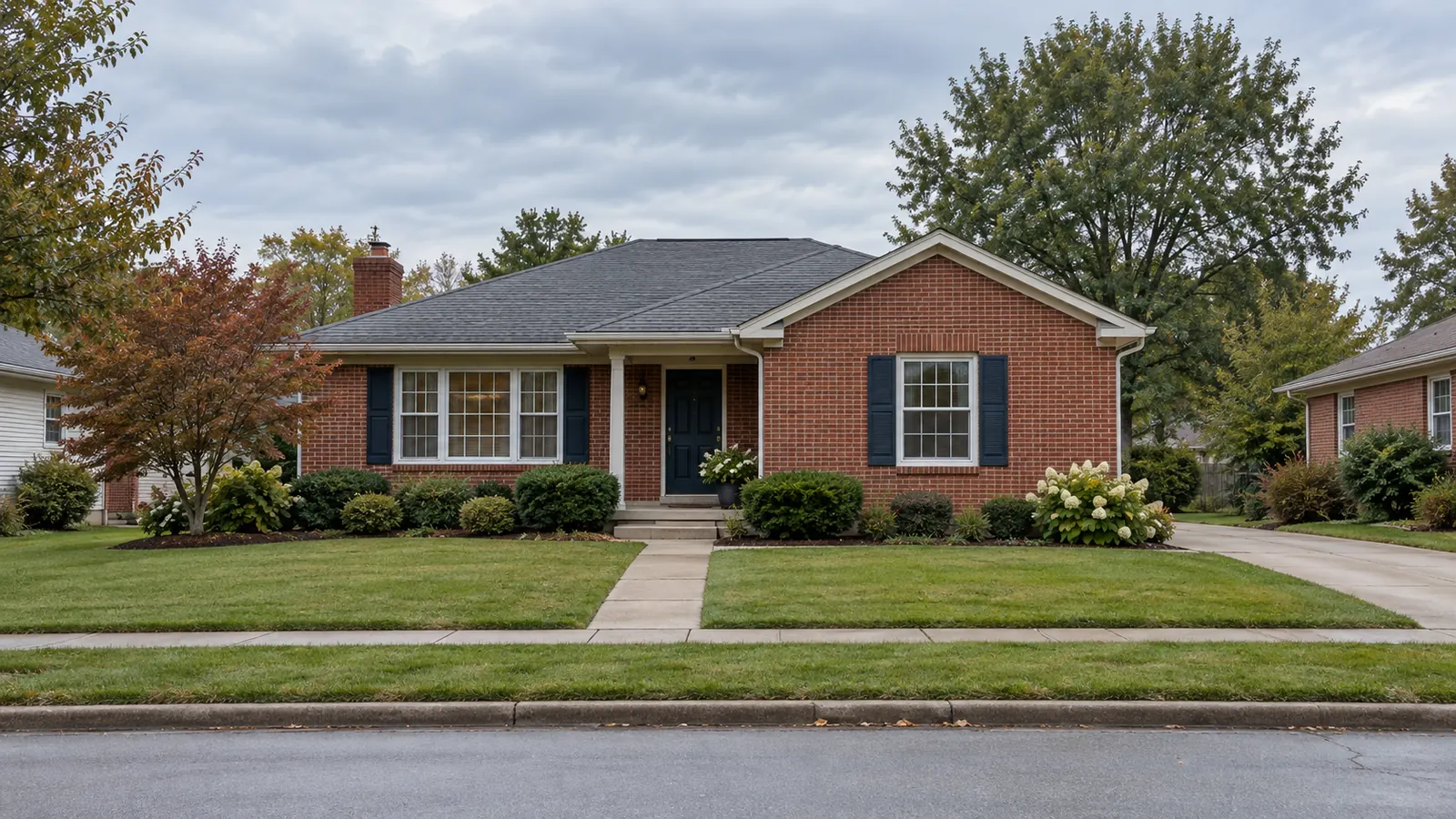
1. Write down your criteria
Before you browse listings, decide what you are looking for and why. A short written brief keeps you from falling for a property that does not fit:
- property type: single-family house, condo, or a two- to four-unit building;
- area: close enough to manage, or far enough that you will hire a manager;
- price range, including the cash you need for down payment, closing costs, repairs and reserves;
- condition you can handle: move-in ready, or a light renovation;
- the minimum cash flow you will accept after all costs.
2. Check the rent, not the listing’s estimate
Rent drives every other number. Compare similar units nearby that are actually rented, not just advertised. If the property already has tenants, ask for the leases and proof of payments. Then build a full expense estimate, including vacancy and a reserve for big repairs, and run it through Rental Property Math: Cash Flow, NOI and Cap Rate Explained.
3. Line up financing early
Talk to a lender before you make offers. Investment property loans are priced higher than loans on a home you live in, and Fannie Mae’s rules generally call for six months of reserves on an investment property. If you plan to live in one unit of a small building, an FHA loan with as little as 3.5 percent down may be an option. See Financing an Investment Property: What Lenders Look For.
4. Inspect like a landlord
A home inspection matters more for a rental, because every defect becomes your repair bill and some become your liability. Pay attention to:
- roof, heating and cooling equipment, water heater and their ages;
- plumbing and drains, especially in older buildings;
- electrical capacity and separate meters in multi-unit buildings;
- smoke and carbon monoxide alarms, exits and stairs;
- signs of water in the basement or crawl space;
- peeling or chipped paint in a building built before 1978.
Lead paint in older buildings
EPA notes that lead-based paint was banned for use in homes in 1978 but is still present in millions of homes, and that deteriorating paint is a hazard. Its disclosure rule requires landlords of most pre-1978 housing to give tenants the pamphlet Protect Your Family From Lead in Your Home and to disclose any known lead-based paint and hazards before the lease is signed. Firms paid to do renovation that disturbs paint in pre-1978 homes must be EPA- or state-certified. If you are buying an older building, budget for this. More in Landlord Rules Every New Investor Should Know: Fair Housing and Lead Paint.
5. Make an offer with an exit
Include inspection and financing contingencies so you can walk away if the building or the loan falls through. For an occupied property, ask for copies of the leases and security deposit records, and confirm that the deposits transfer to you at closing.
Tip: Visit at night and on a weekend before you commit. Parking, noise and lighting look different when tenants are home.
6. Set up the business on day one
Open a separate bank account for the property and run every rent payment and expense through it. Keep closing documents: they establish your basis. The IRS says you begin to depreciate rental property when you place it in service, meaning when it is ready and available for rent, and only the building, not the land, is depreciated. Separate repairs from improvements in your records: repairs are generally deductible when paid, while improvements must be capitalized. See Rental Property Taxes: Income, Deductions, Depreciation and Losses.
Talk to an insurance agent about a landlord policy; a standard homeowner’s policy may not cover a property you rent out. Check whether your city requires a rental license or inspection.
7. Find a tenant, legally
The federal Fair Housing Act makes it unlawful to refuse to rent, or to set different terms, because of race, color, religion, sex, familial status, national origin or handicap. It also bars advertisements that show a preference based on any of those, and that advertising rule applies even to small owners who are otherwise exempt. Many states and cities add more protected categories. Use the same written criteria for every applicant, such as income and rental history, and apply them consistently.
8. Plan for the first year
Expect surprises in year one: a repair the inspection missed, a slow first lease-up, a tax bill higher than the listing showed. Your reserves exist for exactly this. Track actual income and costs every month and compare them with your purchase estimate; the gap is the most useful lesson you will get.
The bottom line
Set criteria, verify rents, finance early, inspect hard, disclose lead in older buildings, keep clean records and screen tenants the same way every time. If managing tenants sounds like too much, compare the hands-off options in REITs Explained: Owning Real Estate Without Being a Landlord.